Physical therapy patient follow up is one of the most overlooked growth levers in a clinic and one of the most powerful when done correctly.
Many physical therapy clinics focus heavily on getting new patients in the door. But after discharge, communication often stops. No follow-up. No education. No reactivation. As a result, relationships fade, referrals slow, and future visits are lost.
In this article, we’ll break down why patient follow-up matters, where clinics lose momentum, and how simple, automated systems help turn one-time visits into long-term care relationships.
Why Physical Therapy Patient Follow-Up Matters
Most patients don’t stop needing care after discharge—they just stop hearing from you.
Effective physical therapy patient follow up helps clinics:
Stay top of mind after treatment ends
Support patients through ongoing recovery
Catch flare-ups before pain becomes severe
Encourage appropriate return visits
Increase lifetime patient value
From a marketing and operations standpoint, follow-up is not about selling. It’s about continuity of care and consistent communication.
Why Patients Disappear After Discharge
When clinics lose touch with patients, it’s rarely intentional. Common reasons include:
Staff are too busy to manually follow up
There’s no system in place after discharge
Follow-up relies on memory instead of automation
Clinics assume patients will reach out on their own
The reality is that most patients won’t initiate contact—even if they need help. If your clinic doesn’t follow up, someone else eventually will.
“Checking In” vs. Real Patient Follow-Up
Many clinics believe they are doing follow-up, but there’s a big difference between checking in and structured follow-up.
Checking In Looks Like:
A single “How are you doing?” email
An occasional manual text
Inconsistent outreach
Real Physical Therapy Patient Follow-Up Looks Like:
Timed messages after discharge
Educational emails or texts
Clear guidance on when to return
Easy booking links
Long-term reactivation touchpoints
The difference is consistency. Patients don’t need more messages, they need relevant messages at the right time.
Examples of Physical Therapy Patient Follow-Up That Works
Here are follow-up strategies that consistently perform well in physical therapy clinics.
1. Post-Discharge Email Sequences
These emails are sent automatically after a patient completes care.
Common topics include:
What to expect in the weeks after discharge
How to maintain progress at home
Warning signs that indicate it’s time to return
Simple check-ins tied to recovery milestones
This positions your clinic as supportive—not sales-focused.
2. Reactivation Campaigns
Reactivation campaigns target former patients who haven’t been seen in 6–12 months.
Effective reactivation messages often include:
Seasonal check-ins (“How is your back holding up?”)
Condition-specific reminders
Invitations for screenings or assessments
Educational content related to past treatment
These campaigns work because the trust already exists.
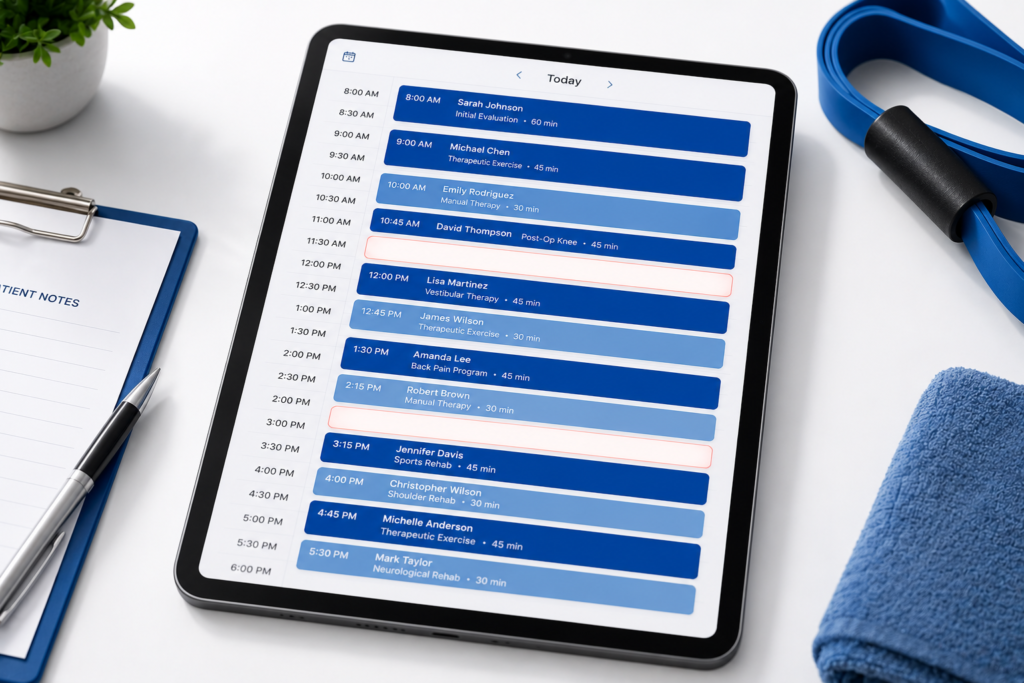
3. Appointment Reminders & Follow-Ups
Automated reminders reduce no-shows and improve patient experience.
But follow-up doesn’t stop after the appointment:
Thank-you messages reinforce care quality
Post-visit education increases adherence
Gentle prompts keep patients engaged
How Automation Protects the Patient Relationship
utomation often gets a bad reputation, but when used correctly, it does the opposite of feeling robotic.
With tools like ClickPhys.io, clinics can:
Send follow-up messages automatically
Personalize communication using patient data
Ensure no patient is forgotten
Maintain consistency without extra staff workload
Automation protects relationships by removing human error—not human connection.
When systems handle timing and delivery, staff can focus on care and meaningful conversations.
Common Mistakes Clinics Make With Patient Follow-Up
Avoid these pitfalls if you want your follow-up to actually work:
Only following up once
Sending generic messages to everyone
Waiting too long after discharge
Treating follow-up as “marketing” instead of care
Physical therapy patient follow up should feel like an extension of treatment, not a promotion.
The Bottom Line
Physical therapy patient follow up is not optional—it’s essential.
Clinics that build structured follow-up systems:
Retain patients longer
Increase return visits
Strengthen trust
Reduce reliance on constant new leads
The clinics that grow sustainably aren’t chasing patients.
They’re staying connected.
Next Step for Clinics
If your clinic struggles with inconsistent follow-up or lost patient relationships, the solution isn’t more effort, it’s better systems combined with the right strategy.
Get it right and physical therapy patient follow up becomes predictable, personal, and scalable without adding stress to your team.
If you would like to learn how ClickPhys.io can help you, contact us today.